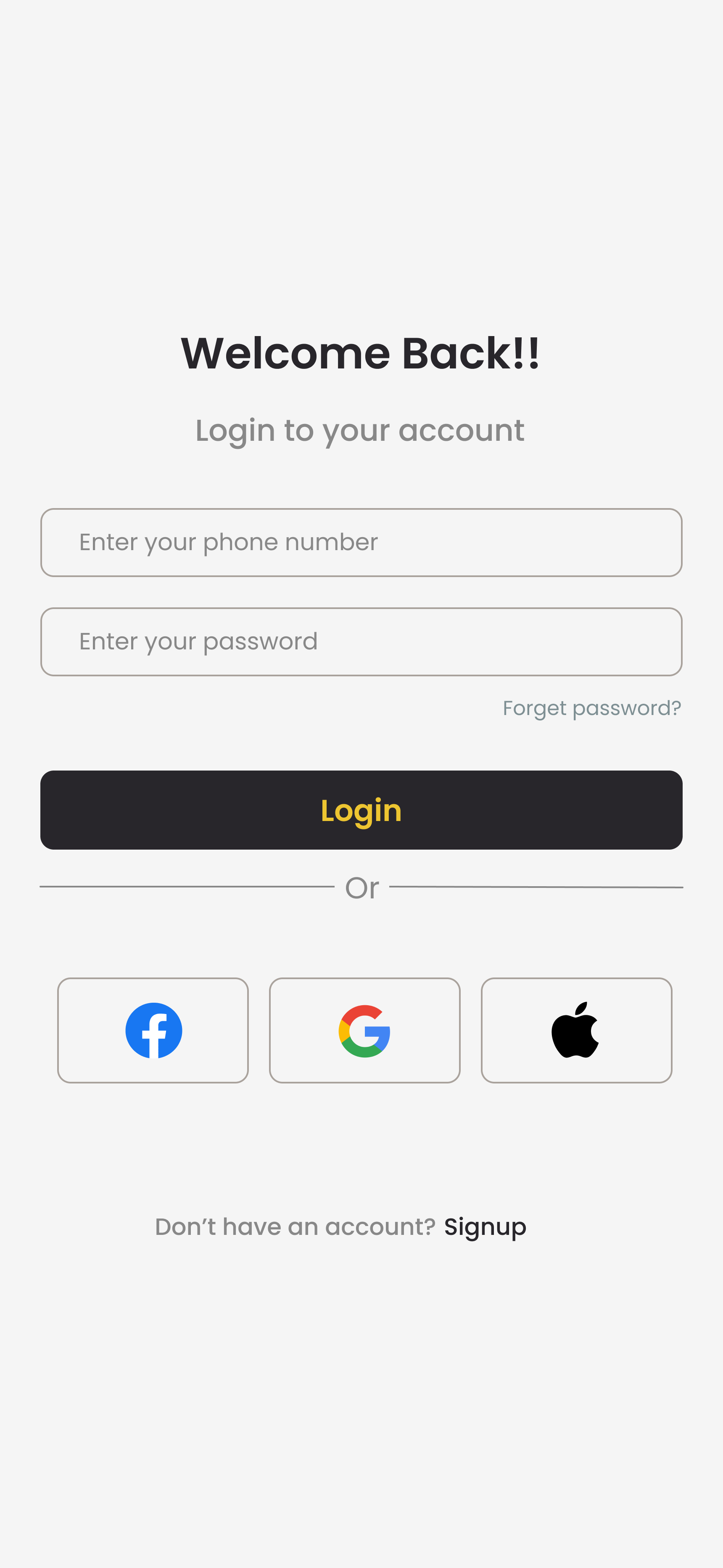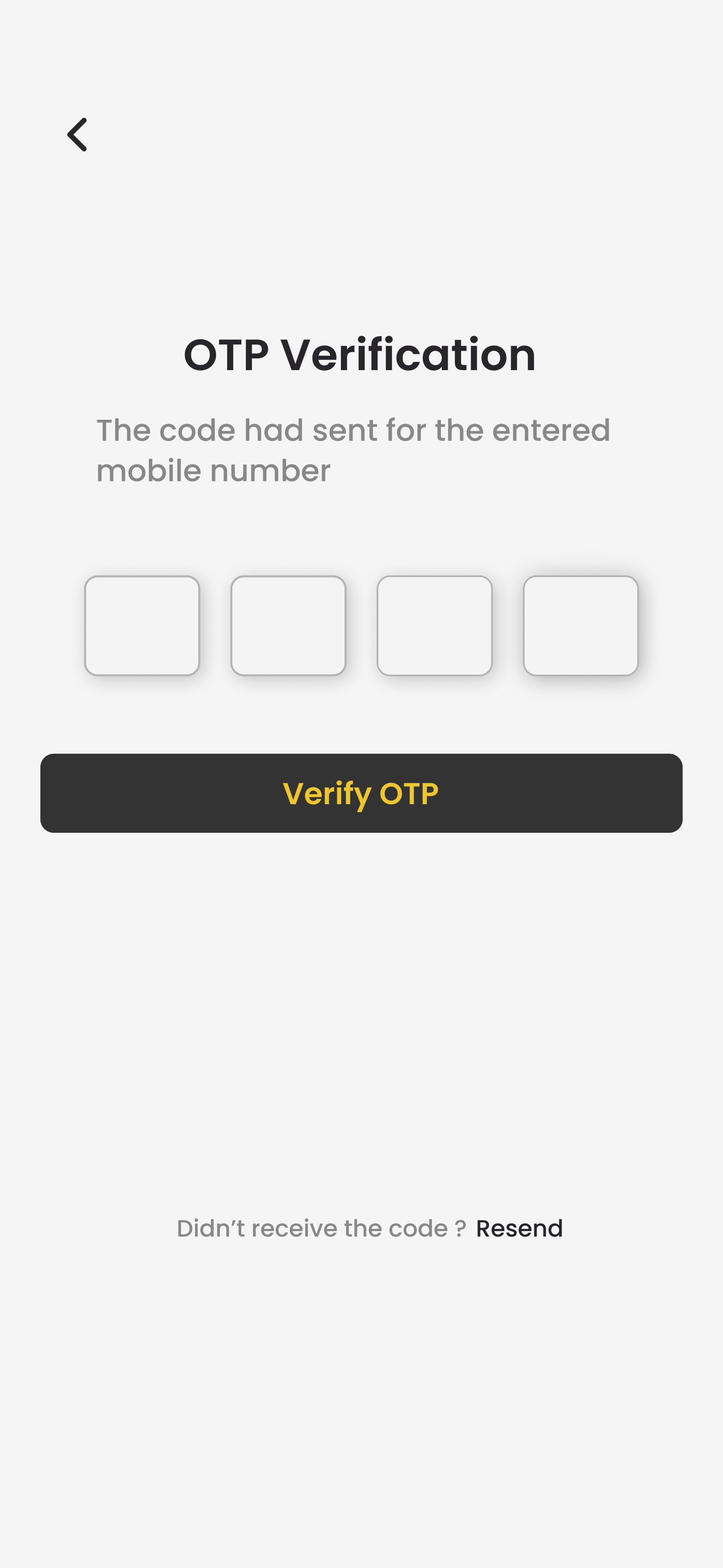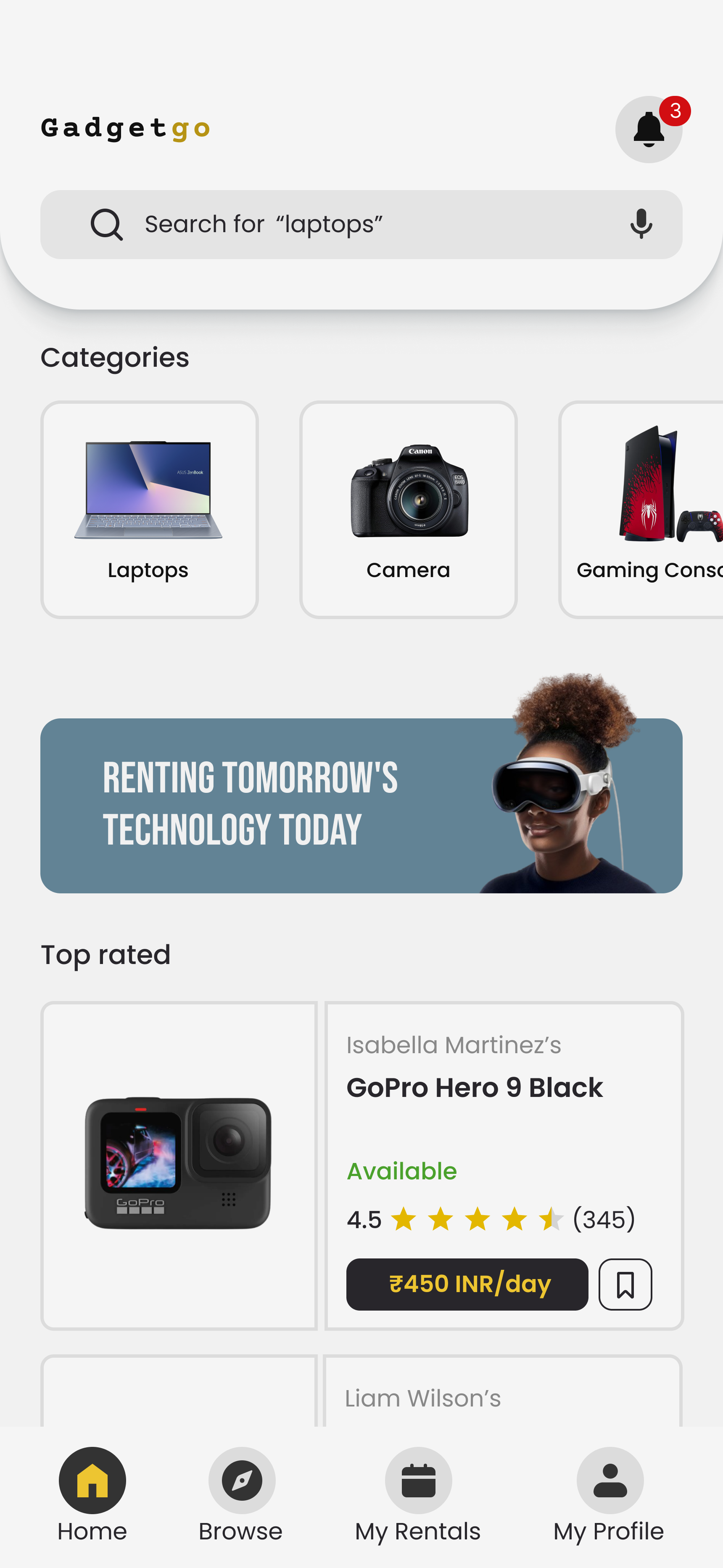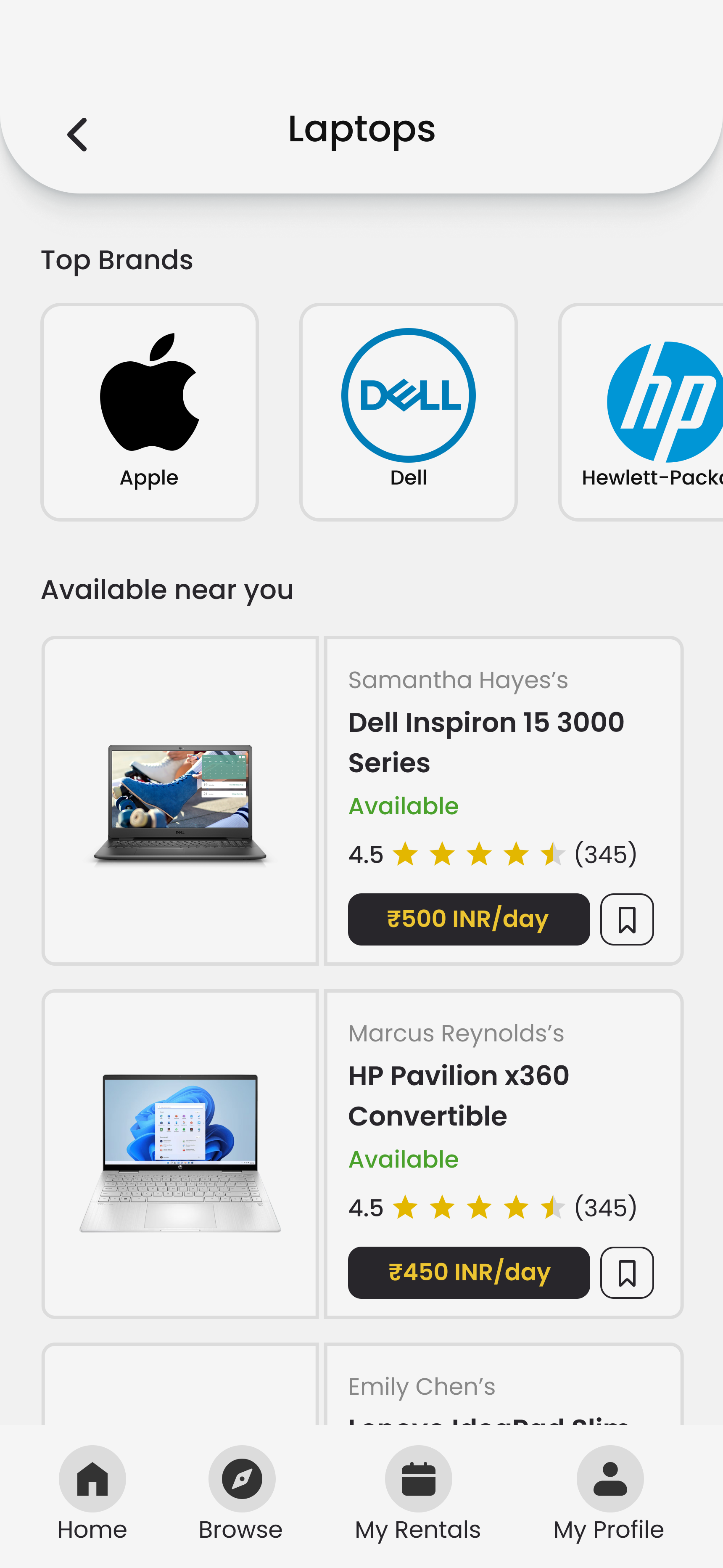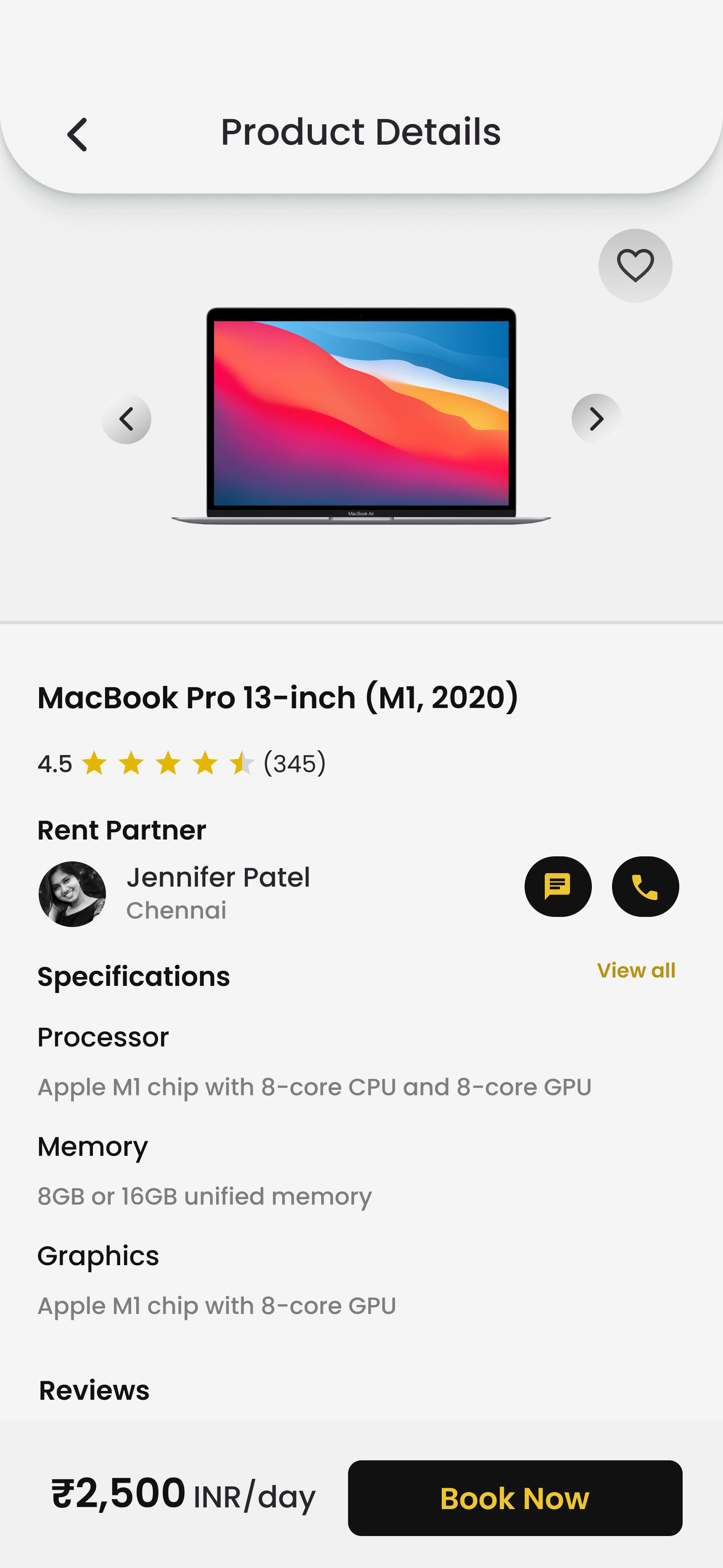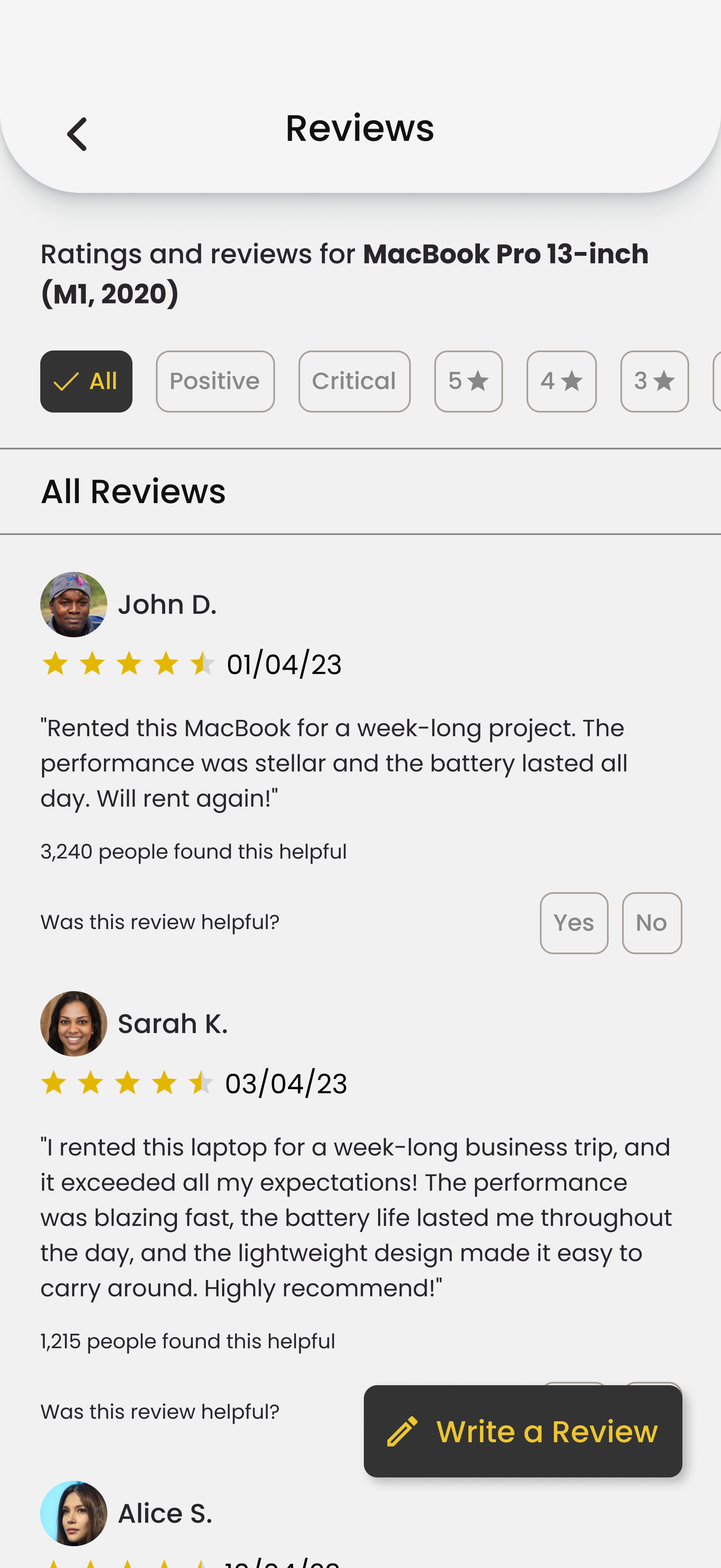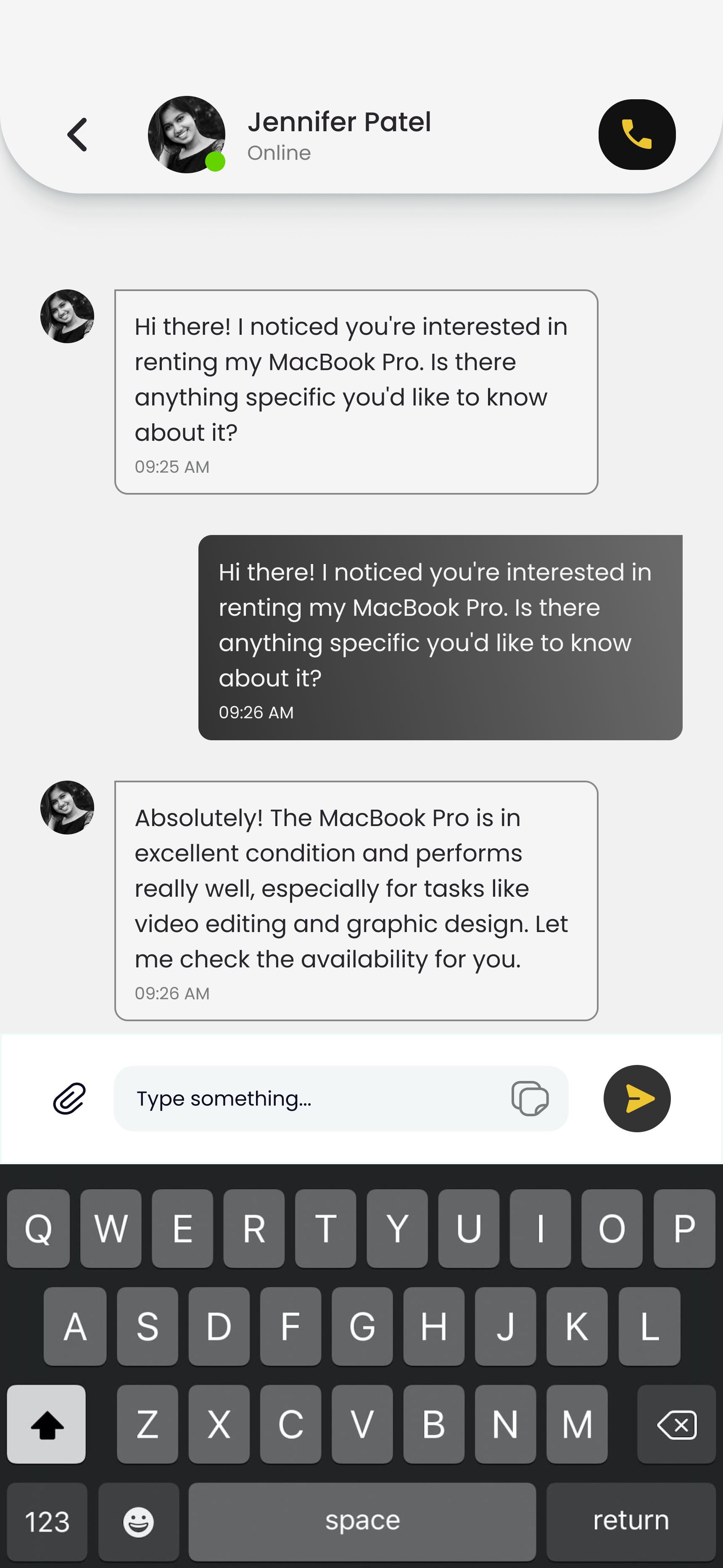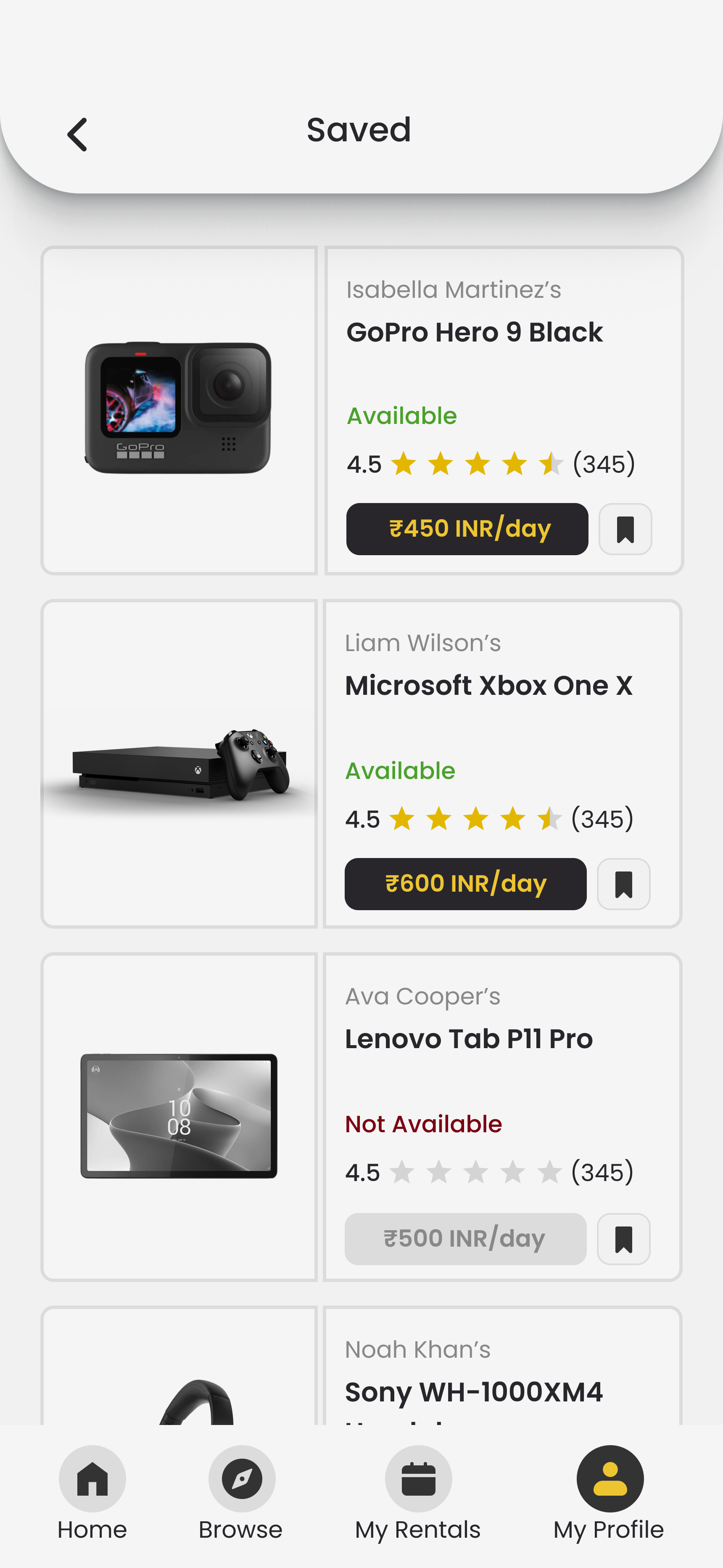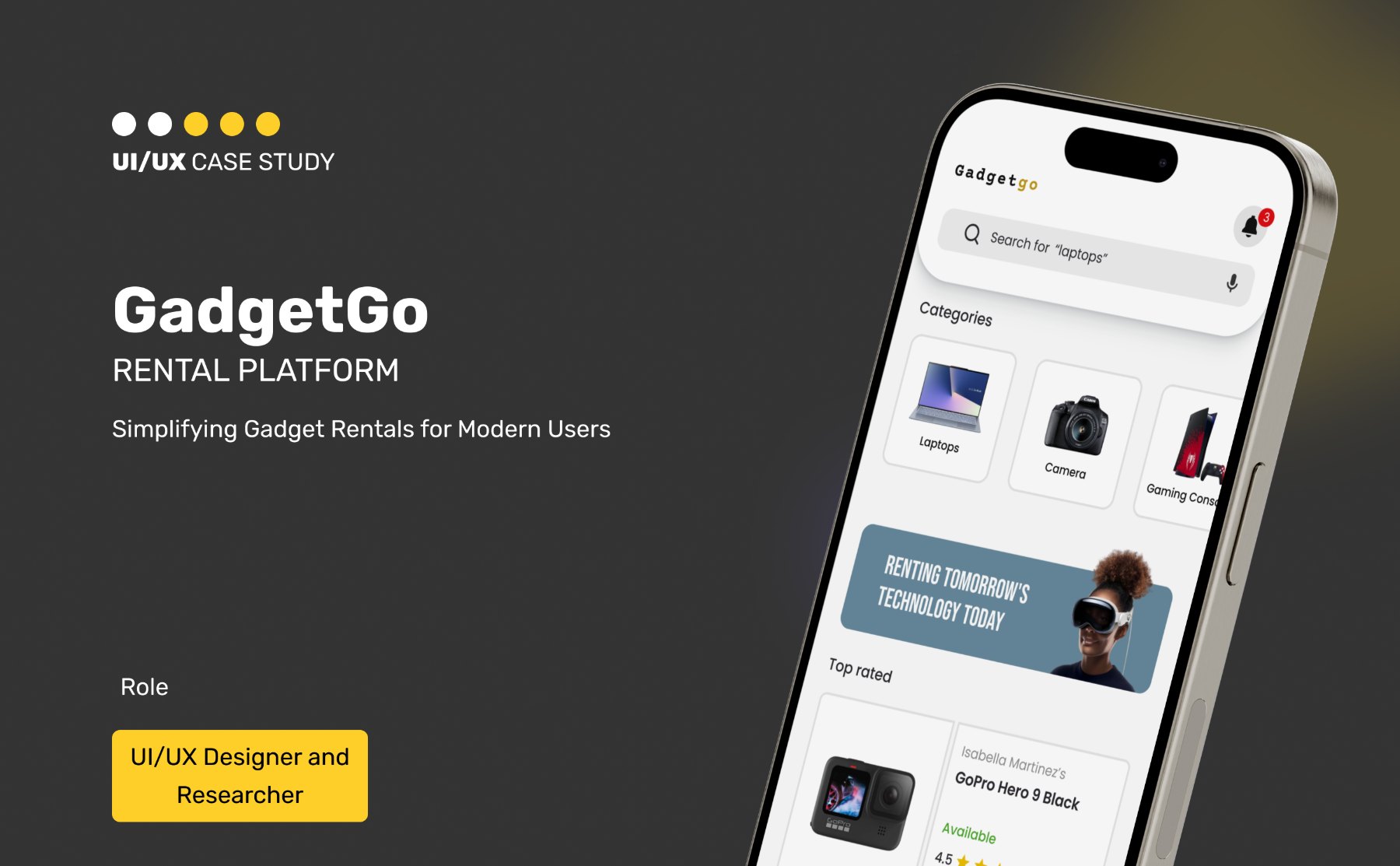
GadgetGo is a platform designed to bridge the gap between technology enthusiasts and their need for high-quality gadgets. By providing a seamless rental experience, GadgetGo lets users access the latest laptops, cameras, gaming consoles, tablets and accessories without the commitment of purchasing them outright.
The idea for GadgetGo emerged from personal frustration with the high costs and rapid obsolescence of technology — which led to building a platform that makes renting high-end gadgets easy and affordable.
High costs and fast obsolescence
Many individuals face challenges in accessing high-quality electronic gadgets due to high costs and rapid obsolescence.
Rent it, don't buy it
A seamless platform for renting electronic gadgets, providing a cost-effective and flexible alternative to ownership.
Empathize
Understand the users and their needs through research methods like interviews, surveys and observations.
Define
Synthesize research findings to define the core problems, create user personas, and develop problem statements.
Ideate
Generate a broad range of potential solutions to the defined problems.
Prototype
Create low-fidelity prototypes or sketches of the most promising ideas.
Test
Test the prototypes with users to gather feedback and refine the designs.
The journey from first sketch to finished case study, week by week.
User research is a process to find out the user's point of view, their frustrations and their struggles. I used two methods which contributed hugely in addition to my own findings.
Survey — conducted with 55 potential users alongside individual conversations, to capture their views and experience and to collect quantitative and qualitative data. The target audience was aged 20–50.
Interview — from the survey I filtered 15 people for direct interviews, held online over Zoom at different times.
What kind of platform do you prefer to use?
Would you use a rental service that makes renting gadgets easy and intuitive?
How often would you rent electronic gadgets if a reliable service was available?
Is an online rental app simpler and more time-saving than existing rental methods?
"I find GadgetGo exciting. It offers an easy way to try out new gadgets without committing to a purchase. The platform's interface also seems intuitive and user-friendly."
"It seems like a lifesaver. It's expensive to buy all the gadgets needed for projects and coursework. Renting from GadgetGo would save money and provide access to equipment that's otherwise out of reach."
"GadgetGo could be a game-changer. It allows access to high-end camera equipment without the upfront investment. I'm curious about the rental terms and how well-maintained the gadgets are."
"It appears to provide a practical solution for individuals and businesses alike. Renting instead of purchasing expensive gadgets could significantly reduce costs."
"I think GadgetGo is a brilliant idea for students who need occasional access to specialized equipment without the expense of buying it outright. It could really support educational initiatives."
"From a marketing perspective, GadgetGo seems to tap into the growing trend of access over ownership. It offers flexibility and convenience, which could appeal to a wide range of consumers and businesses."
The process of identifying and evaluating the strengths and weaknesses of current and potential competitors in the market.
Rentomojo
rentomojo.comA leading rental service provider in India, offering furniture, appliances and electronics for rent, focused on flexible rental terms and easy upgrades.
Furlenco
furlenco.comA major player in the Indian rental market, primarily focused on furniture but also offering electronics and appliances, emphasising product quality and design.
Grover
grover.comA European company offering technology rentals — laptops, smartphones, cameras and other electronics — on a subscription-based rental model.

"I love exploring new design tools and techniques. Renting gadgets allows me to stay updated without breaking the bank."

"Creating high-quality content is my passion. Renting gadgets helps me stay ahead without the hefty price tags."
A collaborative visualisation used to articulate what we know about a particular type of user. It helps synthesise research data and understand how people make decisions.
A design strategy shows the value the product and services will bring to people, ties that value to a goal, and describes the steps taken to achieve it.
An intuitive rental platform
GadgetGo aims to simplify the process of renting electronics by offering a user-friendly interface that facilitates easy browsing, booking and returning of gadgets.
Information architecture is about organising information in a clear and logical way. Such organisation follows a clear purpose: helping users navigate complex sets of information.
The user flow is consciously kept easy, so that users can reach what they want without much effort.
Colour, fonts and pixels all play a major role in meeting the needs of the user — this is the balance between aesthetics and meaningful elements.
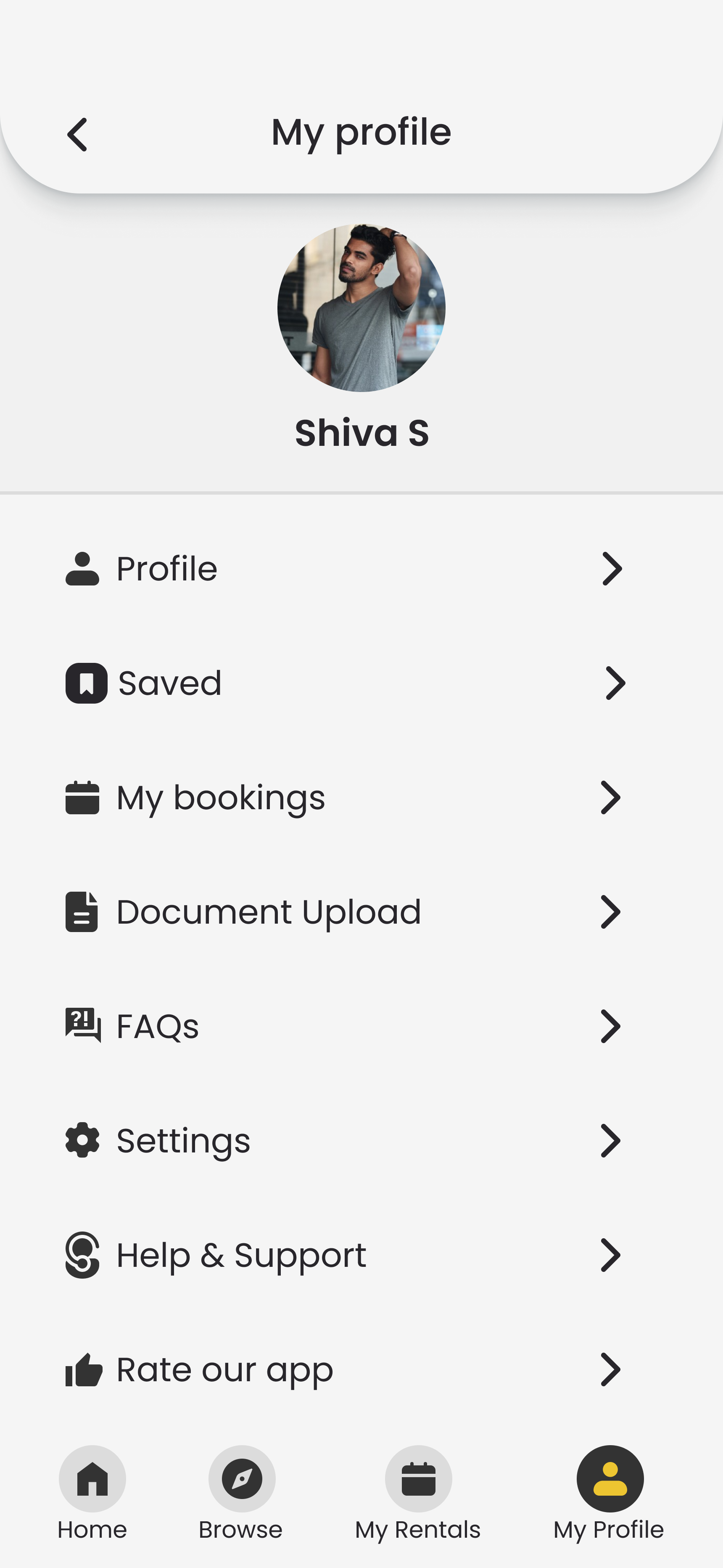
The final high-fidelity screens — from onboarding through browsing, booking and pickup.